 Fresh Start Special: Save 15% On initial Deep Cleaning!
Summer break can make homes feel harder to manage because more people are spending time at home, creating extra messes throughout the day. Kids are out of school, family activities increase, and kitchens, bathrooms, and living areas get heavier use. More foot traffic, meals at home, and outdoor play also mean dirt, dust, and clutter build up faster than usual. For many families, a routine cleaning schedule helps keep the home under control so they can spend more time enjoying summer and less time cleaning.
Once kids are home every day, the entire rhythm of the house changes. Meals happen more often, doors open constantly, laundry multiplies faster, and shared spaces rarely stay clean for very long. When work, pets, and activities make it difficult to keep up, Apollo offers house cleaning services for Livingston homeowners who want dependable help without a long-term contract.
Most homeowners expect a little extra mess during summer, but many are surprised by how quickly the home starts feeling harder to manage overall. Floors seem dirtier sooner, clutter spreads faster, and rooms that normally stay organized suddenly feel chaotic by the middle of the week.
The issue is usually not that families are cleaning incorrectly. The house itself is simply handling much more daily activity than it does during the school year. Summer cleaning works best when routines adapt to that increase instead of fighting against it.
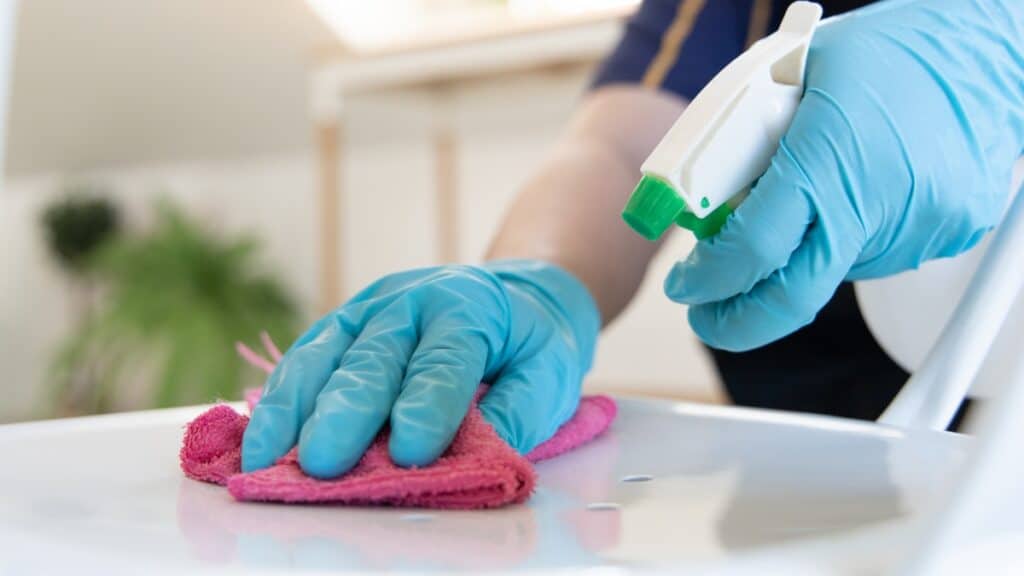
Small Messes Build Faster Than Most People Realize
One reason busy homes feel overwhelming during summer is because clutter develops gradually throughout the day. Shoes collect near entrances. Snack wrappers appear on tables. Towels pile up in bathrooms. Water bottles move from room to room. None of these things seem serious individually, but together they create constant visual clutter.
Most people do not realize small repeated messes often feel more stressful than larger occasional cleaning projects. The brain continues noticing unfinished tasks every time someone walks through the room. That is why households with simple reset systems often feel calmer even when daily activity stays high.
Entryways Usually Control the Rest of the House
Summer foot traffic spreads dirt differently than winter buildup. Fine debris like pollen, grass clippings, and dry soil travels deeper into the home before anyone notices visible buildup. Most homeowners underestimate how quickly outdoor particles settle into rugs and carpet fibers during busy summer weeks.
One thing experienced cleaners notice often is that homes without designated “drop zones” near doors become much harder to maintain. Shoes, backpacks, sports equipment, and towels end up spreading through shared spaces throughout the day. Washable mats, open baskets, and wall hooks near entrances usually reduce far more mess than aggressive cleaning later.
Kitchens Work Much Harder During Summer
The kitchen becomes one of the busiest rooms in the house once children are home every day. More snacks, more drinks, and more quick meals create continuous surface buildup throughout the day. Most homeowners clean the kitchen repeatedly but still feel like it never stays fully reset. Most people do not realize kitchens often feel dirtier because clutter interrupts cleaning.
Counters covered with cups, snacks, and bags prevent surfaces from being fully cleared and wiped consistently. One habit that helps significantly is resetting kitchen counters before dinner instead of waiting until bedtime. Smaller resets interrupt buildup before it spreads into larger cleaning projects later. For families struggling to stay ahead of constant summer activity, regular recurring cleaning support often helps maintain a manageable baseline throughout busy weeks.
Fabrics Quietly Hold Most Summer Buildup
Most homeowners focus on floors and counters while fabrics quietly trap the majority of summer residue. Couches, rugs, blankets, and decorative pillows absorb body oils, sunscreen residue, outdoor allergens, and moisture every day. Homes can start smelling stale even when visible surfaces appear relatively clean.
Most people do not realize upholstery often holds odors before hard surfaces show obvious dirt. That heavy “summer house” smell many families notice usually begins in fabrics first. Vacuuming upholstery slowly, washing blankets regularly, and improving airflow through rooms helps reduce trapped buildup significantly. Ceiling fans also deserve more attention during warm months because they continuously redistribute dust through active rooms.
Smaller Routines Usually Work Better Than Strict Cleaning Schedules
Many homeowners become frustrated because they expect the house to stay perfectly clean while daily activity increases dramatically. The homes that feel most manageable during summer are usually not the strictest homes. They are the homes where routines stay flexible enough to match busy schedules. Ten-minute evening resets often work better than occasional all-day cleaning sessions.
Straightening shared spaces, vacuuming high-traffic walkways, and clearing visible clutter briefly each night prevents buildup from spreading room to room. Most experienced cleaners focus on interrupting mess early instead of chasing perfection all day long. Families needing a more complete seasonal reset after heavy summer activity often benefit from a detailed deep cleaning before buildup becomes difficult to manage.
When Summer Is Finally Over, It’s Time To Get The House Back In Order
After a season of open windows, family activities, vacations, guests, and more dirt being tracked indoors, your home may need more than its usual routine. A professional deep house cleaning can address accumulated dust, grime, baseboards, fixtures, kitchens, bathrooms, and other areas that received less attention during the busy summer months. It’s an easy way to reset your home and start the fall with a cleaner, more comfortable space.
FAQ
Why does my house feel messier when kids are home all day?
More people at home create more movement, dishes, clutter, laundry, and outdoor debris throughout the day. Small messes build continuously during summer break.
What rooms get dirtiest during summer?
Entryways, kitchens, living rooms, and bathrooms usually collect the most buildup because they handle the highest amount of daily activity.
Why does my home smell stale during summer months?
Fabrics like rugs, couches, and blankets trap moisture, outdoor allergens, sunscreen residue, and body oils more easily during warm weather.
How can families reduce summer clutter?
Simple drop zones near entrances help significantly. Open baskets, hooks, and visible storage systems make cleanup easier during busy days.
Are recurring cleanings helpful for busy households?
Recurring cleanings often help families stay ahead of constant buildup before the home starts feeling overwhelming again.
What is the biggest cleaning mistake during summer break?
Many homeowners wait until the entire house feels chaotic before resetting it. Smaller consistent routines usually work much better long-term.
Summer activity naturally creates more mess indoors, but the right systems usually make homes feel far easier to manage. Apollo Cleaning Service shares practical cleaning insights year-round.
