 Fresh Start Special: Save 15% On initial Deep Cleaning!
Dust builds up faster in some rooms because they experience more daily activity, airflow, and foot traffic than others. Living rooms, kitchens, entryways, and bedrooms often collect more dust from people, pets, cooking, and open windows, while fabrics, carpets, and upholstered furniture trap dust particles and release them back into the air over time. Understanding why certain areas get dusty more quickly can help homeowners focus their cleaning efforts and keep their homes cleaner between professional visits.
Dust often seems to reappear soon after surfaces have been cleaned. Many homeowners notice that some rooms collect dust quickly while others remain relatively clear for longer.
This pattern usually relates to how air moves through a home and how different spaces are used each day. Understanding these factors can help homeowners manage dust more effectively and maintain cleaner indoor environments.
Why Dust Forms Indoors
Dust is made up of extremely small particles that circulate through the air before settling on surfaces. These particles come from both indoor sources and materials that enter the home from outside.
Everyday household activities release tiny fibers and debris into the air. As people walk through rooms, sit on furniture, or open doors and windows, these particles continue moving through the indoor environment.
Common Sources of Household Dust
Many ordinary materials inside homes contribute to dust formation.
Typical sources include:
- Fibers from clothing, carpets, and upholstery
- Skin cells naturally shed by occupants
- Pet hair and microscopic dander
- Outdoor particles tracked in through entryways
- Tiny debris entering through open windows
Because these sources are constant, dust is always circulating through the home before settling on surfaces.
Where Dust Often Accumulates First
Certain areas naturally gather dust more quickly because they combine airflow movement with surfaces that easily collect particles.
Rooms that experience frequent activity often stir particles into the air repeatedly. Over time, dust settles on furniture, shelves, flooring, and decorative surfaces.
Areas Where Dust Commonly Appears
Many homeowners notice dust buildup first in places such as:
- Bedrooms with bedding and clothing fabrics
- Living rooms with upholstered furniture
- Entryways where outdoor debris enters the home
- Shelving and decorative surfaces
- Electronics and entertainment areas
These locations provide many surfaces where airborne particles can settle and remain until they are removed.
Cleaning Strategies That Help Control Dust
Managing dust buildup usually depends on maintaining steady cleaning routines. Small cleaning habits performed regularly can help prevent particles from spreading throughout the home.
Some homeowners occasionally look for deeper household cleaning methods when dust accumulates in areas that are harder to maintain. More information about deep house cleaning approaches can be found here.
Practical Dust Management Habits
Several simple habits can help reduce dust levels in a home.
- Dust surfaces starting with higher areas before cleaning lower ones
- Vacuum carpets and upholstery regularly
- Wipe frequently used surfaces during weekly cleaning
- Wash bedding often to remove fabric fibers
- Keep entryways tidy to reduce outdoor debris
These routines help remove particles before they circulate throughout other rooms.
Maintenance Habits That Prevent Future Buildup
Dust becomes easier to manage when small cleaning tasks are completed consistently. Instead of allowing particles to accumulate over long periods, regular attention helps maintain cleaner surfaces. Creating manageable household routines can reduce the amount of dust circulating inside the home. A recurring maid service can also be a big help in keeping dust under control.
Helpful Long-Term Household Habits
Many homeowners find these practices helpful for maintaining lower dust levels:
- Keeping shelves and tables free from excess clutter
- Rotating cleaning tasks throughout the week
- Allowing occasional fresh air circulation
- Maintaining HVAC filters regularly
- Wiping high-touch surfaces during routine cleaning
Over time, these habits help keep dust levels manageable throughout the home.
When Routine Dusting Is Not Enough
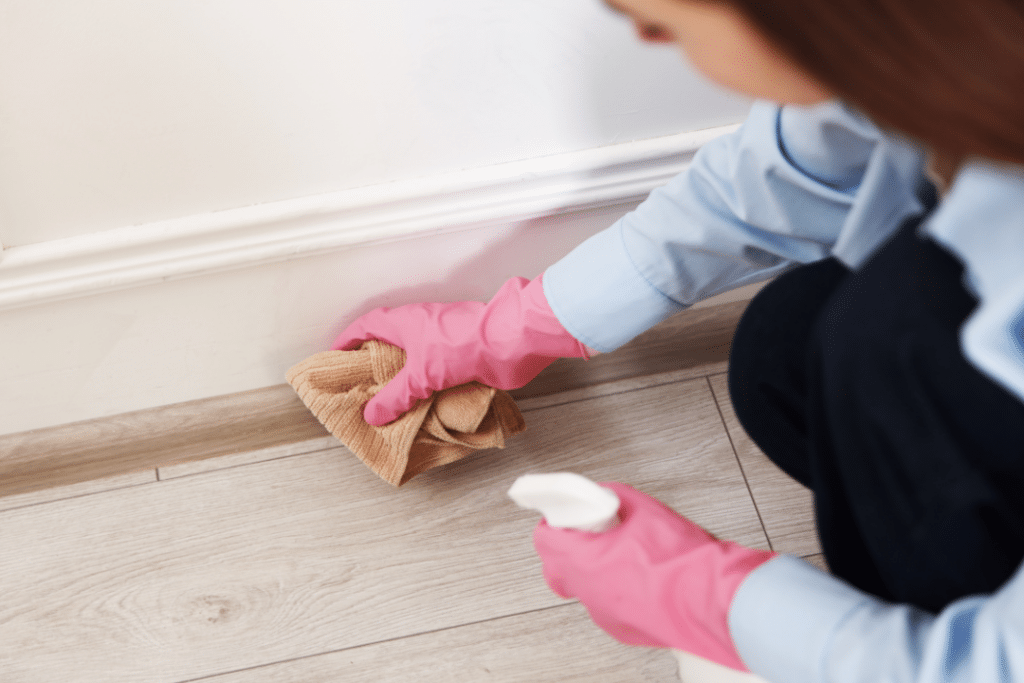
Regular dusting helps control everyday buildup, but baseboards, fixtures, vents, trim, and hard-to-reach surfaces occasionally need more detailed attention. Homeowners who need additional help can explore Apollo’s professional cleaning services in Montclair for recurring upkeep, deep cleaning, and other services tailored to the home.
Frequently Asked Questions
Why does dust seem to come back quickly after cleaning?
Dust forms continuously from materials such as fabrics and skin cells, which means particles continue circulating in indoor air.
Why do bedrooms collect dust faster?
Bedrooms contain bedding, clothing, and other fabric materials that release small fibers over time.
Do electronics attract dust?
Yes, electronics can attract dust because static electricity pulls small airborne particles toward their surfaces.
Why do entryways gather dust more quickly?
Entryways collect outdoor debris brought in on shoes, which increases dust buildup in these areas.
Does airflow affect where dust settles?
Yes, airflow from vents, windows, and daily movement can carry dust particles into certain rooms before they settle.
How often should dusting be done?
Many homes benefit from light dusting once a week to prevent visible accumulation.
Does clutter increase dust buildup?
Yes, clutter creates additional surfaces where dust can settle and makes cleaning more difficult.
Conclusion
Dust buildup in homes is influenced by airflow patterns, daily activity, and the materials present in each room. Understanding why certain areas collect dust faster can help homeowners develop simple maintenance habits that keep living spaces more comfortable over time.Homeowners who want to explore additional household maintenance resources can learn more from Apollo Cleaning Service.
Quote Form (Popup)
